Gum disease is one of the most common oral health problems in adults, yet many people don’t realize they have it until it has already progressed. In its early stages, it often causes little or no discomfort. By the time symptoms like gum recession, loose teeth, or persistent bad breath appear, damage to the gums and supporting bone may already be underway.
That’s why early detection is so important, and it’s also why saliva testing has become a valuable tool in modern dentistry. At MD Smiles, we believe that the more we understand about what’s happening in your mouth, the better we can protect your smile. In this article, we’ll explain what saliva testing for gum disease is, how it works, and why more dentists are using it to identify periodontal problems before they become serious.
A Quick Look at Gum Disease
Gum disease, also called periodontal disease, is a chronic infection and inflammation of the tissues that surround and support the teeth. It begins when bacteria in plaque build up along and below the gumline.
The earliest stage is gingivitis, which may cause red, swollen gums that bleed when you brush or floss. Gingivitis is reversible with professional cleanings and good home care. If it isn’t treated, however, it can advance to periodontitis. At this stage, the infection begins to break down the gum tissue and bone that hold the teeth in place. Pockets form between the gums and teeth, giving bacteria even more places to hide.
Over time, untreated periodontitis can lead to tooth loss. Research has also linked gum disease to broader health concerns, including heart disease, diabetes, and other inflammatory conditions. Protecting your gums is about more than your smile. It’s part of caring for your overall health.
What Is Saliva Testing?
Saliva testing for gum disease is a simple, noninvasive way to analyze the bacteria living in your mouth. Your saliva contains a wealth of information, including traces of the microorganisms that contribute to periodontal infection.
While a traditional dental exam tells us what gum disease is doing to your tissues, a saliva test helps reveal what is causing it. Laboratory analysis can identify specific types of bacteria and measure how much of each is present. Some of these bacteria are strongly associated with aggressive tissue destruction, while others are less harmful.
Certain saliva tests can also look at genetic markers. These tests can help determine whether a person may have an inherited tendency toward a stronger inflammatory response, which can make them more susceptible to severe gum disease even when they take good care of their teeth.
How the Test Works
One of the biggest advantages of saliva testing is how easy it is for patients. There are no needles, no discomfort, and very little time involved. The process typically looks like this:
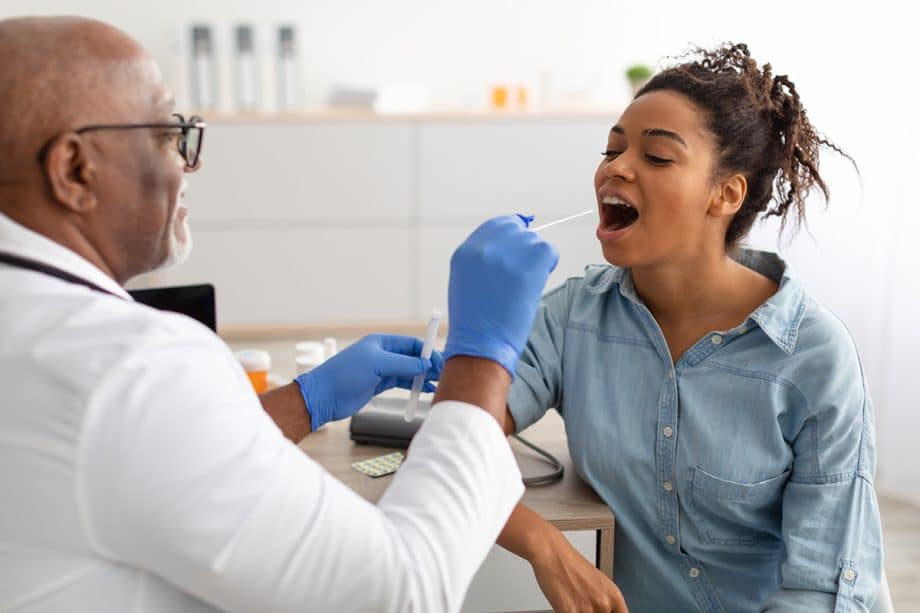
- Collecting the sample. You’ll rinse your mouth with a small amount of sterile saline solution for about 30 seconds, then spit the rinse into a collection tube. Some genetic tests use a quick cheek swab instead.
- Lab analysis. The sample is sealed and sent to a specialized laboratory. There, technicians use advanced DNA-based methods to identify the bacteria present and measure their levels.
- Reviewing the results. Results usually come back within a few days to a couple of weeks. Your dentist will review the report with you, explain what the findings mean, and discuss how they may shape your treatment plan.
Because the test is so simple, it can easily be done during a routine visit.
Why Dentists Are Using Saliva Testing for Early Detection
Traditional periodontal exams remain essential. Measuring pocket depths, checking for bleeding, and reviewing X-rays give us critical information about the condition of your gums and bone. However, these methods mainly show the effects of gum disease after they’ve begun. Saliva testing adds another layer of insight. Here’s why it’s gaining popularity:
- It can identify risk before major damage occurs. High levels of harmful bacteria may be present before significant changes show up during an exam. Identifying them early gives us the chance to intervene sooner.
- It supports personalized treatment. Not all gum infections are caused by the same bacteria. Knowing which bacteria are present can help guide treatment decisions, including whether an antibiotic may be helpful and which type is most likely to be effective.
- It helps explain stubborn cases. Some patients continue to have gum problems despite regular cleanings and diligent brushing and flossing. A saliva test can help uncover why, whether it’s a particularly aggressive bacterial profile or a genetic predisposition.
- It allows us to track progress. Repeating the test after treatment can show whether bacterial levels have dropped. This helps confirm that treatment is working or signals that adjustments may be needed.
- It connects oral health and overall health. Some of the bacteria linked to gum disease have also been associated with systemic inflammation. For patients with health conditions like diabetes or heart disease, understanding oral bacteria can be especially valuable.
Who Might Benefit From Saliva Testing?
Saliva testing can be helpful for many patients, but it may be especially worth discussing if you:
- Have been diagnosed with gingivitis or periodontitis
- Notice bleeding gums, persistent bad breath, or gum recession
- Have a family history of gum disease or early tooth loss
- Continue to experience gum problems despite good oral hygiene
- Are planning dental implants or extensive restorative work
- Have diabetes, heart disease, or another condition linked to inflammation
- Smoke or have smoked in the past
- Are pregnant or planning a pregnancy, since hormonal changes can affect gum health
Even if you don’t have symptoms, a saliva test may offer peace of mind and help establish a baseline for your oral health.
What Saliva Testing Can and Can’t Do
It’s important to understand that saliva testing is a complement to a thorough periodontal exam, not a replacement for one. A saliva test can tell us which bacteria are present and in what amounts, but it can’t measure bone loss or pocket depths on its own. We use the results alongside clinical findings and imaging to form a complete picture.
It’s also worth knowing that insurance coverage for saliva testing varies. Some plans may not cover it, so we’ll always discuss costs with you before moving forward.
What Happens After Testing?
If your results show elevated levels of harmful bacteria, we’ll talk with you about next steps. Depending on your situation, treatment may include:
- Professional cleanings, including deep cleaning (scaling and root planing) to remove bacteria and tartar from below the gumline
- Targeted antimicrobial or antibiotic therapy based on the bacteria identified
- More frequent periodontal maintenance visits
- Personalized home care recommendations, such as specific brushing techniques, interdental cleaning tools, or rinses
- Follow-up testing to confirm that bacterial levels have improved
If your results are favorable, that’s great news. We’ll continue with your regular preventive care and keep monitoring your gum health at each visit.
Taking a Proactive Approach to Gum Health
Gum disease is often called a silent condition because it can progress quietly for years. Saliva testing gives dentists a way to look beneath the surface, identify the bacteria driving infection, and catch problems at a stage when they’re easier to manage. Combined with routine exams, professional cleanings, and consistent home care, it’s one more way to stay ahead of gum disease and protect your smile for the long term.
If you have questions about your gum health or want to know whether saliva testing makes sense for you, our team is happy to talk through your options and help you make an informed decision.
Frequently Asked Questions About Saliva Testing for Gum Disease
Does saliva testing hurt?
No. Saliva testing is completely painless. In most cases, you simply rinse with a saline solution and spit it into a collection tube. The process takes only a minute or two.
How long does it take to get results?
Results typically take anywhere from a few days to about two weeks, depending on the laboratory. Once they’re ready, your dentist will go over them with you and explain what they mean.
Can saliva testing replace a periodontal exam?
No. Saliva testing works best alongside a traditional periodontal exam, which includes measuring gum pockets, checking for bleeding, and reviewing X-rays. Together, they give a more complete view of your gum health.
Is saliva testing covered by insurance?
Coverage varies by plan. Some dental insurance plans don’t cover saliva testing, while others may cover part of the cost. It’s a good idea to ask your dental office and insurance provider before testing.
How often should I have a saliva test?
It depends on your individual situation. Some patients benefit from a single baseline test, while others with active gum disease may be retested after treatment to confirm that harmful bacteria levels have decreased.
MD Smiles is a family dental practice in Ellicott City, MD, led by Dr. Jennifer Sokolosky, providing general, restorative, cosmetic, implant, and periodontal care for patients of all ages. If you’re concerned about bleeding gums or want to learn more about protecting your gum health, contact us today to schedule a visit with our caring team.