Tooth enamel is the hardest substance in the human body, but it is not indestructible. Daily habits, diet, and oral hygiene all play a role in how well your enamel holds up over time. Many patients ask whether something as simple as toothpaste can actually repair early enamel damage or reverse the effects of wear. The answer is a bit more nuanced than a simple yes or no.
From a general dentistry perspective, understanding how enamel works and how it can be supported is key to protecting your long-term oral health. While toothpaste can play an important role, it is only one piece of a larger strategy that keeps your teeth strong, healthy, and resistant to decay.
What Is Tooth Enamel and Why Does It Matter?
Enamel is the outermost layer of your teeth, acting as a protective barrier against bacteria, acids, and physical wear. It shields the more sensitive inner layers of the tooth, including dentin and pulp, from damage. Because enamel contains no living cells, it cannot regenerate once it is lost.
Early enamel damage often begins with demineralization. This occurs when acids from foods, beverages, or bacteria begin to break down the minerals in your enamel. You may notice white spots on your teeth or increased sensitivity to hot and cold. These are early warning signs that your enamel needs support.
In general dentistry, preventing enamel loss is always a top priority. Once significant erosion occurs, more advanced treatments may be required. That is why catching early signs and taking action is so important.
Can Toothpaste Really Repair Enamel?
Toothpaste cannot rebuild enamel in the same way your body heals a cut or broken bone. However, certain types of toothpaste can help repair early enamel damage through a process called remineralization.
Remineralization works by restoring essential minerals, such as calcium and phosphate, back into weakened enamel. Fluoride toothpaste is especially effective in this process. It strengthens enamel, helps reverse early demineralization, and makes teeth more resistant to future acid attacks.
Some modern toothpastes also include ingredients like hydroxyapatite, which mimics the natural minerals found in enamel. These formulas can help fill in microscopic weak spots and improve the overall strength of your teeth.
While these benefits are significant, it is important to understand that toothpaste works best when enamel damage is still in its earliest stages. Once enamel is worn away or cavities form, professional dental treatment becomes necessary.
Daily Habits That Protect and Strengthen Enamel
Using the right toothpaste is important, but it should always be part of a complete oral care routine. General dentistry focuses on prevention, and your daily habits play a major role in protecting enamel over time.
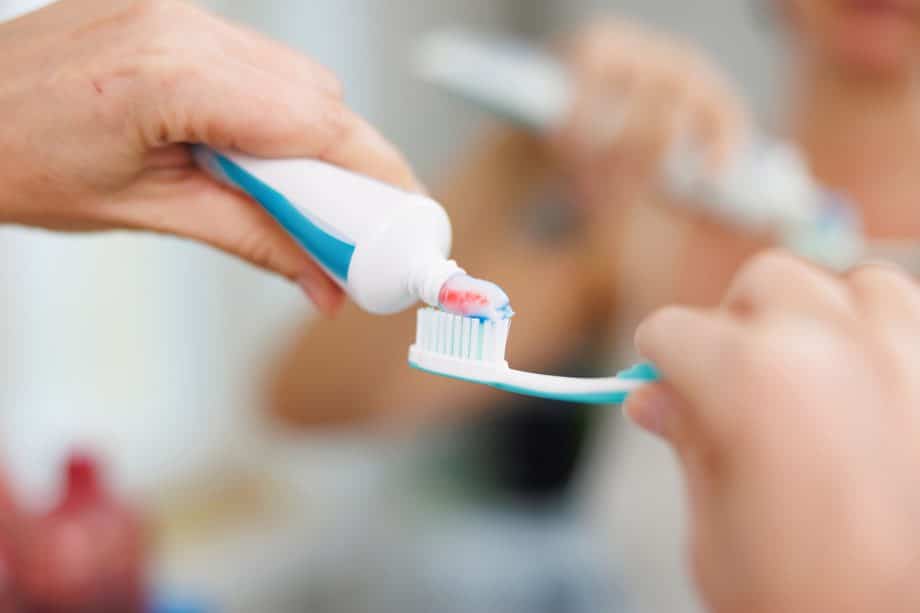
Brushing twice a day with fluoride toothpaste helps remove plaque and replenish minerals. It is also important to use a soft-bristled toothbrush and gentle pressure, as aggressive brushing can contribute to enamel wear.
Diet is another key factor. Acidic foods and drinks like soda, citrus, and sports beverages can weaken enamel over time. Limiting these items and rinsing your mouth with water after consuming them can help reduce their impact.
Regular dental visits are essential as well. Professional cleanings remove buildup that brushing alone cannot, and your dentist can identify early signs of enamel damage before they become more serious problems. If you are looking to maintain strong, healthy teeth, working with a trusted provider of general dentistry services is one of the best steps you can take.
When to See a Dentist for Enamel Damage
Even with the best at-home care, there are times when professional treatment is necessary. If you experience persistent tooth sensitivity, visible discoloration, or rough edges on your teeth, it may be a sign that enamel damage has progressed beyond what toothpaste can address.
Dentists offer a range of solutions depending on the severity of the issue. Fluoride treatments can provide a stronger dose of minerals to help reinforce weakened enamel. Dental bonding may be used to restore areas where enamel has been lost, while veneers or crowns can protect and strengthen more severely damaged teeth.
Early intervention is always the most conservative and cost-effective approach. By visiting your dentist regularly, you can address minor concerns before they turn into more complex dental problems.
Protecting Your Smile for the Long Term
Toothpaste can absolutely help support enamel health, especially when it comes to reversing early damage. However, it is not a cure-all solution. Maintaining strong enamel requires a combination of good oral hygiene, smart dietary choices, and regular dental care.
By taking a proactive approach, you can preserve your natural teeth and avoid more extensive treatments down the line. If you have concerns about enamel wear or sensitivity, a dental evaluation can provide clarity and personalized recommendations for your smile.
Frequently Asked Questions About General Dentistry
Can enamel grow back once it is gone?
No, enamel cannot regenerate once it is lost. However, early damage can be improved through remineralization with fluoride and proper oral care.
What type of toothpaste is best for enamel repair?
Fluoride toothpaste is the most widely recommended option. Some formulas with hydroxyapatite may also help strengthen enamel and support remineralization.
How do I know if my enamel is weakening?
Common signs include tooth sensitivity, white spots, discoloration, or a rough texture on the tooth surface. A dentist can confirm the extent of the damage.
Are whitening toothpastes safe for enamel?
Some whitening toothpastes can be abrasive if overused. It is best to choose a gentle formula and consult your dentist if you have concerns about enamel wear.
How often should I visit the dentist to protect enamel?
Most patients should visit the dentist every 6 months for cleanings and exams. Your dentist may recommend more frequent visits based on your oral health needs.
At MD Smiles, we are committed to helping our patients maintain strong, healthy smiles through personalized care and advanced techniques. We take a proactive approach to general dentistry, focusing on prevention, education, and long-term results. If you have questions about enamel health or your oral care routine, contact us today and schedule an appointment.